

Cold Storage Door Buying Guide
The quality of your cold‑storage door directly influences your cold‑room energy consumption, thermal insulation performance, and overall equipment service life. Choosing the correct cold‑storage door is critical for maintaining stable internal temperatures and lowering operational costs. Use this practical buying guide to select the right model for your project.
Choose the correct door type
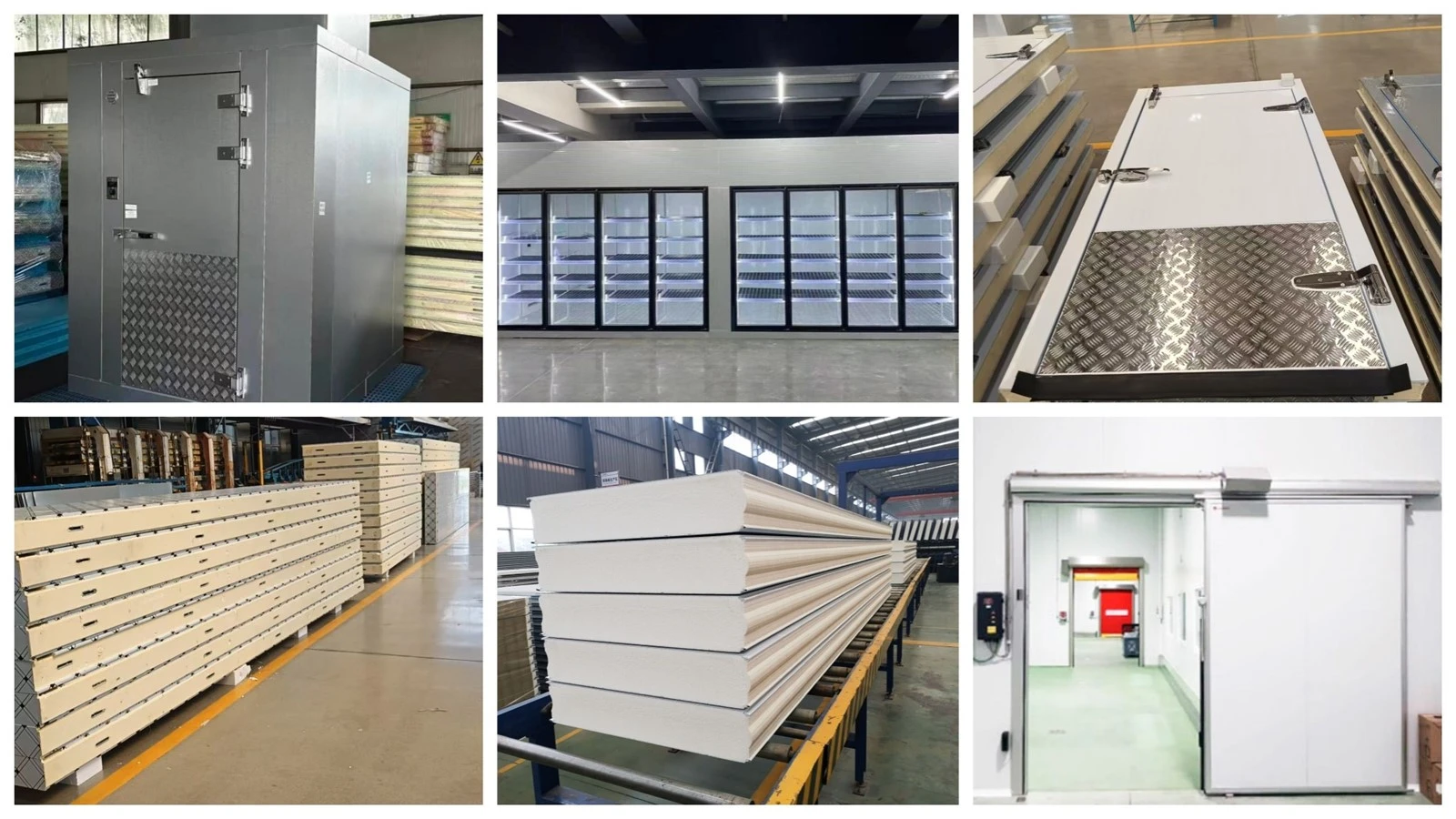
Sliding cold‑storage door: Space‑efficient structure, perfect for facilities with frequent loading and unloading.
Electric cold‑storage door: Fully automated operation to improve site‑wide working efficiency.
High‑speed rolling cold‑storage door: Built for high‑traffic areas. Rapid opening and closing greatly reduces cold‑air loss and cuts energy waste.
Evaluate thermal‑insulation parameters
Insulation core: Polyurethane or PIR foam filling with density ≥ 40 kg/m³.
Panel thickness: Standard 150‑200 mm. Thicker panels are required for ultra‑low‑temperature cold‑storage environments.
Sealing gasket: EPDM rubber gasket, capable of resisting temperatures as low as ‑60 °C.
Check safety and durability features
Anti‑condensation option: Electric‑heated door frame (optional upgrade to avoid frame frost build‑up).
Anti‑collision accessories: Stainless‑steel protective plates or collision bollards to prevent mechanical damage.
Reliable door motors: Trusted brands such as Hormann and Sibery are recommended for all electric cold‑storage doors.
Recommended door types for typical projects ✔ Logistics cold storage: High‑speed rolling door with opening‑closing speed ≥ 1.5 m/s ✔ Pharmaceutical cold storage: Airtight cold‑storage door with antimicrobial surface coating ✔ Small‑size cold storage: Manual sliding door, ideal for cost‑conscious small‑scale cold‑room projects
Expert Tip: Send us your cold‑storage internal dimensions, daily opening‑closing frequency, and target operating temperature. Our team will develop a fully customized cold‑storage door solution for you.